The Qualities of an Ideal Best Children's Books in New Zealand – The Aotearoa Chronicles
The Aotearoa Chronicles: Turning a New Zealand Storybook into a Family Keepsake
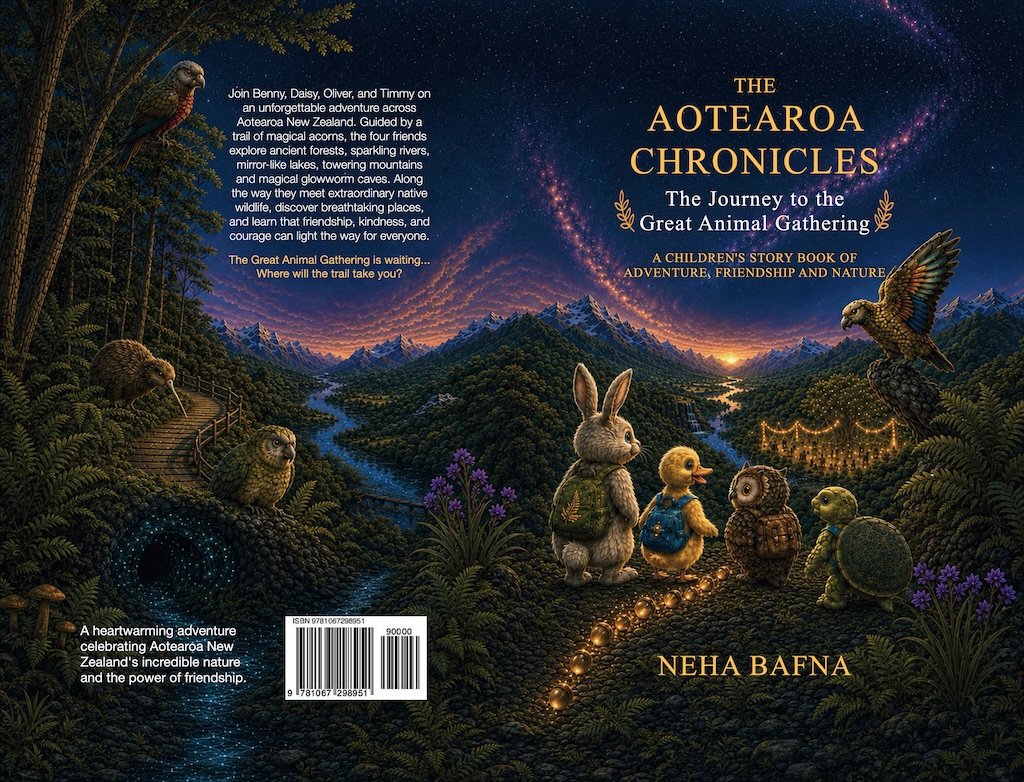
A keepsake that a child truly values is often an item they can use. A present may attract attention when it is unwrapped, while a storybook offers another opportunity for enjoyment with every reading. The story’s characters gradually become familiar, certain pages earn repeat visits, and those shared moments become linked with the person who first introduced the book.
For households thinking about The Aotearoa Chronicles, this personal connection provides a helpful place to begin. Rather than choosing a book simply because it represents New Zealand, consider the shared reading moments it might encourage. An animal adventure inspired by Aotearoa can become part of an evening routine, a keepsake recalling a family trip or a gentle introduction to a place the child has yet to visit.
The right choice ultimately depends on the child receiving it. Their interests, the way they enjoy stories and the opportunities for reading together matter more than a broad claim that any single title suits everyone.
Begin with the child’s interests, then consider the destination
A place connection can make a gift feel personal, but it rarely carries the whole experience. Children usually return to books because something within them holds their attention. That might be an animal character, a journey to somewhere that sparks curiosity or the excitement of finding out what unfolds next.
The Aotearoa Chronicles tells the story of four animal companions making their way towards a gathering. Its friendship-led adventure provides a useful point of comparison for adults deciding which type of present to select. A young reader who likes stories about animals speaking and discovering places together may respond differently from one who prefers factual books about machinery or space.
Pay attention to the stories the child picks up without encouragement. Do they spend extra time looking at illustrations, enjoy asking about the people or animals in a story or enjoy predicting the next event? Such reading behaviours can reveal what kind of story may suit them without reducing the decision to a fixed age label.
The association with New Zealand can then bring additional meaning. It may relate to family origins, a previous holiday or a child’s curiosity about a faraway destination. The strongest match combines that meaning with something the child already enjoys.
A common destination creates something for readers to look forward to
An adventure involving travel creates a recognisable storyline: characters set out, move through an unfamiliar world and work towards somewhere they want to reach. That structure can help adults invite participation without interrupting the story at every sentence.
The journey to the Great Animal Gathering in The Aotearoa Chronicles provides readers with a clear destination to remember. A grown-up could stop briefly at a suitable moment and invite the child to imagine what the gathering might look like. The child does not need to predict correctly for the conversation to have value.
Predictions also give children room to change their minds. A reader may begin with one idea, notice a detail and develop another possibility. This approach can encourage children to engage actively with the narrative without taking away from the pleasure of following the adventure.
However, participation should remain an invitation. Some young readers would rather follow the story silently during their first experience and talk about its events once the reading is finished. Others want to comment throughout. Allowing the child to set the pace helps the experience remain enjoyable rather than feeling like an assignment.
Make the first reading comfortable and unhurried
There is no requirement to finish every page during the first reading. A child might spend several minutes studying the cover, raise questions about the book’s title or show special interest in an individual illustration. Those responses are part of getting acquainted with a story.
Select a time that allows the child to explore their curiosity comfortably. Trying to read when it is nearly time to leave home may make it difficult to follow the child’s pace. A quieter afternoon or a settled evening can allow the experience to develop more naturally.
Begin by allowing the child to explore whatever catches their attention. Rather than describing every detail before beginning, allow space for their own discoveries. Begin the story and pay attention to how the child responds, which might include asking questions, laughing, listening carefully or wanting to revisit a picture.
When the child begins losing interest, it is perfectly reasonable to pause at an appropriate moment. Children can develop familiarity with a story across a number of brief readings. Completing the story in one sitting matters less than making reading something the child enjoys returning to.
Let a fictional adventure lead to real observations
A story inspired by New Zealand can encourage curiosity about its setting, yet fictional adventures should be distinguished from explanations based on facts. Animal characters that speak are part of a fictional setting. Including these characters does not confirm that their species naturally inhabit the landscape being portrayed.
That distinction gives adults a useful way to extend the reading. Following the adventure, the family may become interested in exploring a factual topic about birds, forests or waterways with the help of reliable factual material. The story supplies the spark; further learning supplies the detail.
Not every moment of the story has to become an educational exercise. Sometimes a child simply wants to enjoy the characters’ company. On another occasion, a simple question may lead to a wider discussion concerning the relationship between the story’s setting and the world outside the book.
Aotearoa also has cultural meaning beyond its role as a story setting. Grown-ups can discuss this significance thoughtfully, selecting trustworthy information when young readers want to understand more. An invented adventure may encourage a child’s initial interest without carrying the responsibility of describing a whole country in detail.
Give the book a place in the family’s own story
A keepsake becomes more personal when there is a reason behind its selection. That reason might be straightforward: the giver remembered a child’s love of animals, wanted to mark a shared holiday or hoped to introduce a place important to the family.
A short handwritten message inside the book can preserve that connection. It may refer to an outing they enjoyed together, the special event the gift commemorates or a wish for the child to discover countless adventures through reading. Personal recollections often carry greater significance than a vague message about selecting a thoughtful gift.
When a young reader is given the storybook following a trip to New Zealand, reading may create opportunities to recall experiences from the trip. They could think back to a path through the trees or an occasion when they watched birdlife. These associations come from the family’s experience, without having to correspond precisely with anything that happens in the story.
A child who has never visited can form a different connection. For them, the storybook might reflect the care someone took in considering their preferences and choosing a story to share.
Consider future readings when selecting a present
People often think mainly about the moment a gift is received. With books, it helps to imagine the second or fifth reading as well. Which family member or caregiver might share the story? In which part of the home could the book be stored? Could the story become part of an established reading habit?
Households considering the best New Zealand gifts for kids might discover that such practical considerations make the decision easier. A book can create more occasions for shared enjoyment if the child likes stories or an adult is happy to read together frequently. Repeated shared reading can add to its personal significance.
Different readings can have different rhythms. The first may follow the adventure closely. A later session might focus on a favourite companion or an illustration the child previously overlooked. Another may involve the child retelling a familiar part in their own words.
Repetition does not require adults to invent a new activity every time. Familiarity itself can be enjoyable. Sometimes the most useful contribution is simply to read the requested book again with attention.
Discuss friendship through questions that welcome different viewpoints
An imaginative journey shared by multiple characters can open opportunities to talk about sharing a journey, paying attention to companions and moving towards a common destination. These subjects are especially useful when a child makes the connection independently.
Instead of expecting one fixed lesson from the story, try a question tied to what the child has noticed. Which of the characters would they choose to travel alongside? What might make exploring with friends enjoyable? What problems might arise if the companions have different preferences?
Questions like these encourage children to relate the adventure to situations they recognise. One may think about sharing decisions with a sibling. Someone else might recall inviting a friend to take part in a game. Adults can allow the conversation to continue along those familiar experiences while recognising that the book does not necessarily portray those particular situations.
Avoid supplying every answer before the child has time to respond. A pause may lead to an unexpected observation. If the child wants to continue listening instead, that preference is worth respecting. A child can appreciate the adventure without exploring every underlying idea.
Select a keepsake by considering how it will be used
When comparing the best New Zealand souvenirs for kids, consider what each object invites a child to do after returning home. Some keepsakes are mainly for display. Other souvenirs may offer opportunities for entertainment, useful activities or shared experiences. Books provide opportunities for stories and discussions.
For this reason, The Aotearoa Chronicles may be a suitable option for a child drawn to illustrated animal adventures. Its connection with Aotearoa can provide a reminder of place, while the unfolding journey encourages future readings beyond the moment the gift is presented.
Everyday suitability remains an important consideration. Before selecting any book, check its physical format and available sample pages where possible. Assess whether the quantity of writing, visual design and storytelling style match the reader’s preferences. It is better to verify these characteristics than to make assumptions.
A souvenir can hold personal significance without reflecting an entire destination. It can hold one manageable connection: a natural setting that inspired the child’s curiosity, a moment remembered from a family journey or an interest they want to explore further.
Understand “best” in terms of the individual reader
Searches for the best children’s books in New Zealand can bring together very different expectations. A parent might be looking for a book that encourages independent reading. Someone else might want a picture-rich adventure suitable for reading together. A different giver Best New Zealand gifts for kids – The Aotearoa Chronicles may focus on finding a book that commemorates a shared occasion.
Because these priorities vary, they call for different ways of assessing a book. The Aotearoa Chronicles can be considered through its animal companions, shared journey and setting inspiration. Those features provide a clearer basis for choosing than treating a search phrase as evidence of a recognised ranking.
Available descriptions and sample material can help establish whether the storytelling appeals to the recipient. If a particular age recommendation, edition detail or format matters, check that information carefully before finalising the choice.
Another consideration is the difference between the giver’s interests and the reader’s preferences. An adult might be especially drawn to the New Zealand association, while the reader cares most about the animals. The right book can bring these interests together without expecting them to value exactly the same thing.
Extend the reading experience through uncomplicated activities
A storybook may continue to have a place in everyday family routines without complicated activities. After reading, a child might draw a gathering of their own, invent a new animal friend or explain what they would pack for a journey of their own imagination.
Such activities tend to be most enjoyable when they build on something the child already likes. When a child takes pleasure in drawing, keep some paper within reach. If they prefer telling stories, listen while they invent a new scene. Adults do not have to adjust each small detail or follow the original story precisely.
Everyday experiences outside the home can also inspire new links to the adventure. A tree-lined trail or a still stretch of water could remind the child of the pleasure of exploring an imagined landscape. The comparison can remain playful.
There is no expectation that grown-ups must develop an activity after each reading. At times, simply putting the storybook down and sharing a peaceful moment is sufficient. What matters is allowing the child to develop a personal connection with the adventure.
Conclusion
The Aotearoa Chronicles can be a meaningful option for households looking for an animal adventure associated with New Zealand. Its value as a thoughtful present or lasting keepsake is shaped by the young reader’s preferences and the reading experiences that develop over time. Select the book by considering the individual reader, make space for an unhurried first reading and allow familiar pages to earn their place over time. A carefully chosen story can hold both an imagined journey and the memory of sharing it.